Wearing a Mask Doesn’t Make You Inauthentic
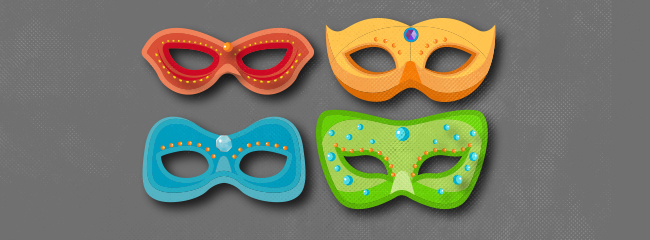
Halloween is the one night of the year when we can put on a costume and become someone completely different. But what about the other 364 days of the year?
Some people believe that wearing a mask to look like someone else is like hiding your true self. As such, being authentic means shedding all masks and staying true to ourselves.
While that sounds like good advice, it can lead to a surprisingly limiting belief: that we should always behave in line with our natural personality, and that if we don’t, we are being inauthentic or fake.
You Have More Personality Than You Think
Consider the four styles. We have direct, assertive Eagles. Enthusiastic, talkative Parrots. Caring, supportive Doves. And logical, precise Owls.
You are not just one of them. In fact, we all have all four styles within us. Some come naturally, while others require more conscious effort. Some have sat quietly in the background for so long that we’ve practically forgotten they’re there.
Think about how actors approach their craft.
An actor portraying grief doesn’t necessarily have to manufacture an emotion they’ve never experienced. They can draw on their own memories of sadness, connect with those feelings, and bring them to the surface.
The emotion is real, even though the circumstances are different.
Our personalities work in much the same way. We can find qualities within ourselves that aren’t typically on display and bring them forward when the situation calls for them.
We have all four styles. Sometimes, we just need to give voice to the quieter ones.
Sometimes Being Yourself Means Acting Differently
Imagine an Eagle who naturally moves quickly, makes decisions, and gets things done. One day, an employee comes to them feeling overwhelmed and discouraged.
The Eagle’s first instinct might be to identify the problem and offer a solution. But this employee needs something different. They need someone who will listen patiently, acknowledge their feelings, and give them space to process.
So, the Eagle slows down. They resist the urge to solve the problem right away. They listen with the patience of a Dove.
They’re not being fake. They’re accessing a genuine part of themselves that doesn’t always take center stage.
Adapting your behavior doesn’t mean abandoning who you are. It means drawing on more of who you are.
When we consciously adjust our behavior to be more effective, we expand our ability to respond to life’s challenges. We discover qualities within ourselves we’ve underused or overlooked.
The difference lies in our intention. If you’re putting on a mask to manipulate others, that’s not okay. If you’re adapting to meet the needs of the person or situation, congratulations. You have tapped into a more dormant part of yourself to meet the moment. Nicely done.
So, the next time you think, “That’s not who I am,” see if you can find that part of yourself and activate it.
This is Personality Intelligence in action. Perhaps the greatest discovery is that the person you thought you were pretending to be was inside you all along. The most limiting mask you can wear is the one you’ve worn for so long that you’ve mistaken it for your entire personality.
About Merrick Rosenberg
Merrick Rosenberg is the creator of the Eagle, Parrot, Dove, and Owl personality framework and author of Personality Intelligence: Master the Art of Being You. As an award-winning speaker and founder of Take Flight Learning, Merrick has helped hundreds of thousands of people unlock the power of personality styles to transform their communication, leadership, and relationships. He’s on a mission to make self-awareness accessible, fun, and unforgettable.